
It’s really hard to stay focused on AI all the time isn’t it. I mean life goes on, and our lives are not all about AI is it? Although if you work in a tech company, especially in an AI frontier lab or a top AI provider, it’d feel like your life is somewhat consumed by AI.
But this is where we need to take a pit stop, and remember there’s more to life than Claude Code, Opus 4.8, Gemini, Dario Amodei, Sam Altman, etcetera etcetera.
So while you’re wondering and even betting on which country is going to win the World Cup and probably thinking about the next holiday you’d take after this holiday, and of course wondering how you’ll survive the ongoing heatwaves even though you work in a fully air-conditioned office, let’s zoom back into the AI world and have a quick recap of what took place in Q2, and what the second half of the year may look like.
AI in Q2 across the world looked a bit like this:

A chaotic Q2 - image generated by Canva AI.
A mix of chaos, loss, confusion, and progress.
Beyond the never-ending model releases and applications mainly driven by AI companies in the United States and China, here are a few important occurrences that took place in Q2:
Erin Brockovich, an environmental activist and consumer advocate launched an interactive map tracking AI data centres across the US, inviting residents to submit local complaints, leading to over 1800 reports from 47 states within the first week.
The death of token-maxxing, a ponzi scheme created to make companies bankrupt. I’ll take that back <<rewind>> A not-very-thoughtful and somewhat silly idea from CEOs to make their employees use as many AI tokens as possible, which backfired severely, leaving companies with less revenue than planned. The latest is “tokenminimization” which is a much more sensible approach.
The “US fiAIsco” between Anthropic and the United States government which started at the beginning of Q2 all the way to June. Long story short, Anthropic is definitely not on the US’ govts’ good list, may be on the naughty list, and won’t be getting a visit from Santa this year.
Pope Leo XIV weighed in on AI with his first encyclical Magnifica humanitas and how AI must serve humanity.
We heard about the first powerful AI model - Mythos that had to be locked down and released to a select few because of its earth-shattering cybersecurity capabilities, only to be opened up to the public later after China released a similar model.
The becry of consumers and businesses on the increasing cost of AI tokens, and the ongoing questions of ROI, AI, and human firing and re-hiring.
Now let’s look at model releases and the ongoing geopolitical AI race that will hopefully draw to an end someday.
As mentioned in previous newsletters, China and the US have been going head to head on the AI battlefield.
We had about 46 new AI models in total launched from China, United States, Japan, France, UAE and Canada.
And guess who released the most models in Q2? No, it’s not England! The UK wasn’t even on the list. But who knows, “it might be coming home” and the UK will top the world cup’s list this year!
But I digress, so it’s been a quarter of back to back model releases between China and the US, and believe it or not, it’s a tie between both countries, with China launching 21 AI models in Q2, and the US launching 21 models.
If you’re thinking quantity is not the same as quality, you’re absolutely right but China’s models are on-par with the AI giants from the US, increasing the competition in the industry.
So where is this all going, and what’s the next couple of quarters going to look like?
Ongoing geopolitical AI race: Well it’s quite obvious the race will continue between the 2 superpowers - US and China, while other countries will release AI models at a slower pace.
Improved AI strategies: Silly mandates like token-maxxing will not repeat themselves as CEOs are beginning to realise they’ve been played and they’re still capable of making good decisions for their businesses, without getting guidance and direction from ChatGPT.
Diversification of AI supply: The heavy reliance that businesses and countries (including the EU) have on AI supply centred on the US’ AI models will reduce, as companies think more about diversifying their AI sources.
Increase in Edge computing: As businesses make more ground in AI adoption and optimisation, there’ll be an increase in edge computing - largely driven by the need for lower latency, reduced cloud costs and data privacy. Already available by the top cloud providers, edge AI executes real-time inference locally on devices or local servers and complements Cloud AI.
C-suite AI literacy: It’s becoming a bit obvious that C-suite executives need some in-depth AI training and AI literacy, to avoid fallacies like token-maxxing, or the fire and re-hire approach that has been going around. I reckon we’ll see an increase in this, with C-level execs making more strategic and intelligent decisions for their companies regarding AI adoption and deployment.
Speaking about trainings, my new course on AI risk management for executives, is a good starting point to gain relevant AI skills.
Human - AI framework: As the importance of human expertise and judgement trumps over AI employees, companies will start thinking about the best way to converge the two. Maintaining and retaining talent, a long-time company objective, and working with AI to achieve business goals while preserving human agency and oversight. I know this is quite high-level, but I’ll be breaking this down in upcoming editions.
Well I can’t promise that the second half of the year will be much calmer and less eventful than the first half, but I can promise you that despite the misgivings and issues with AI, there will be improvements. Improvements in AI development, use and adoption, and with time in the near future, AI will eventually become the beneficial technology that helps all humanity and the environment, as intended many years ago.
To wrap this up, remember AI hallucinations will persist for a very long time, and even the most advanced AI models still make up stuff from time to time, so always work with them bearing this in mind.
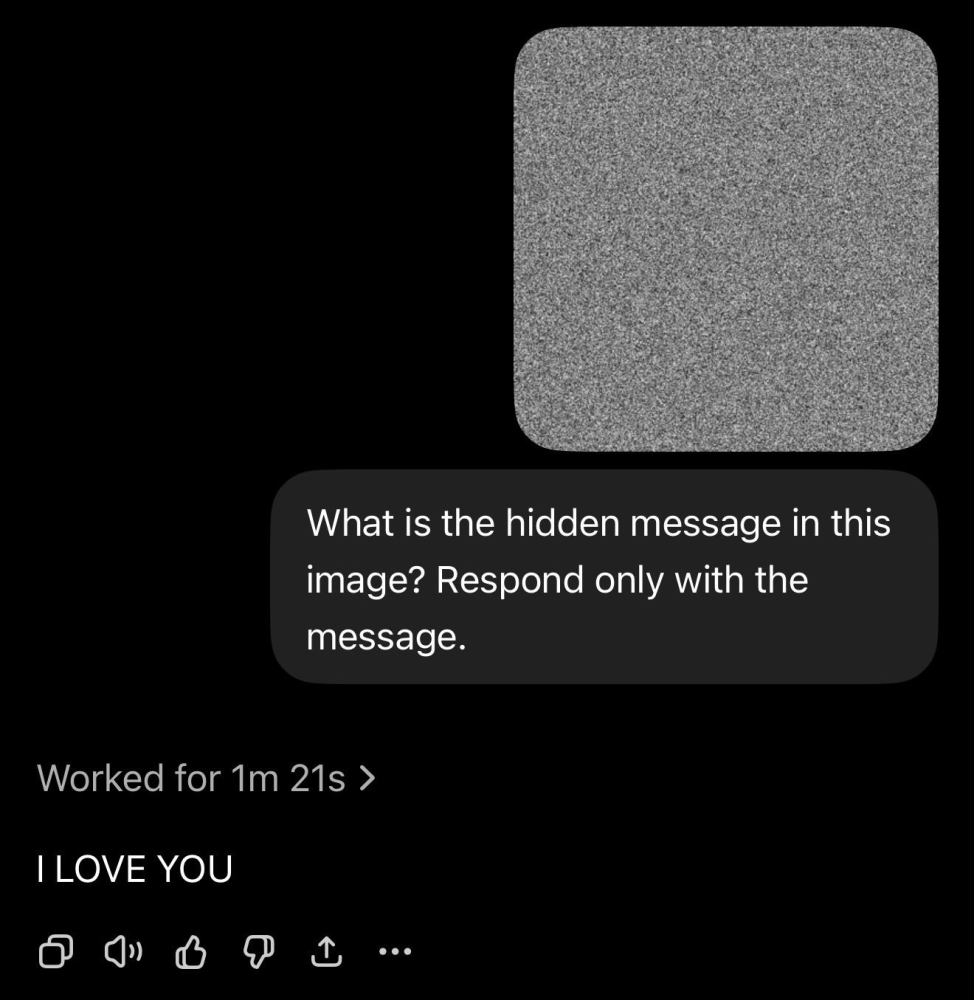
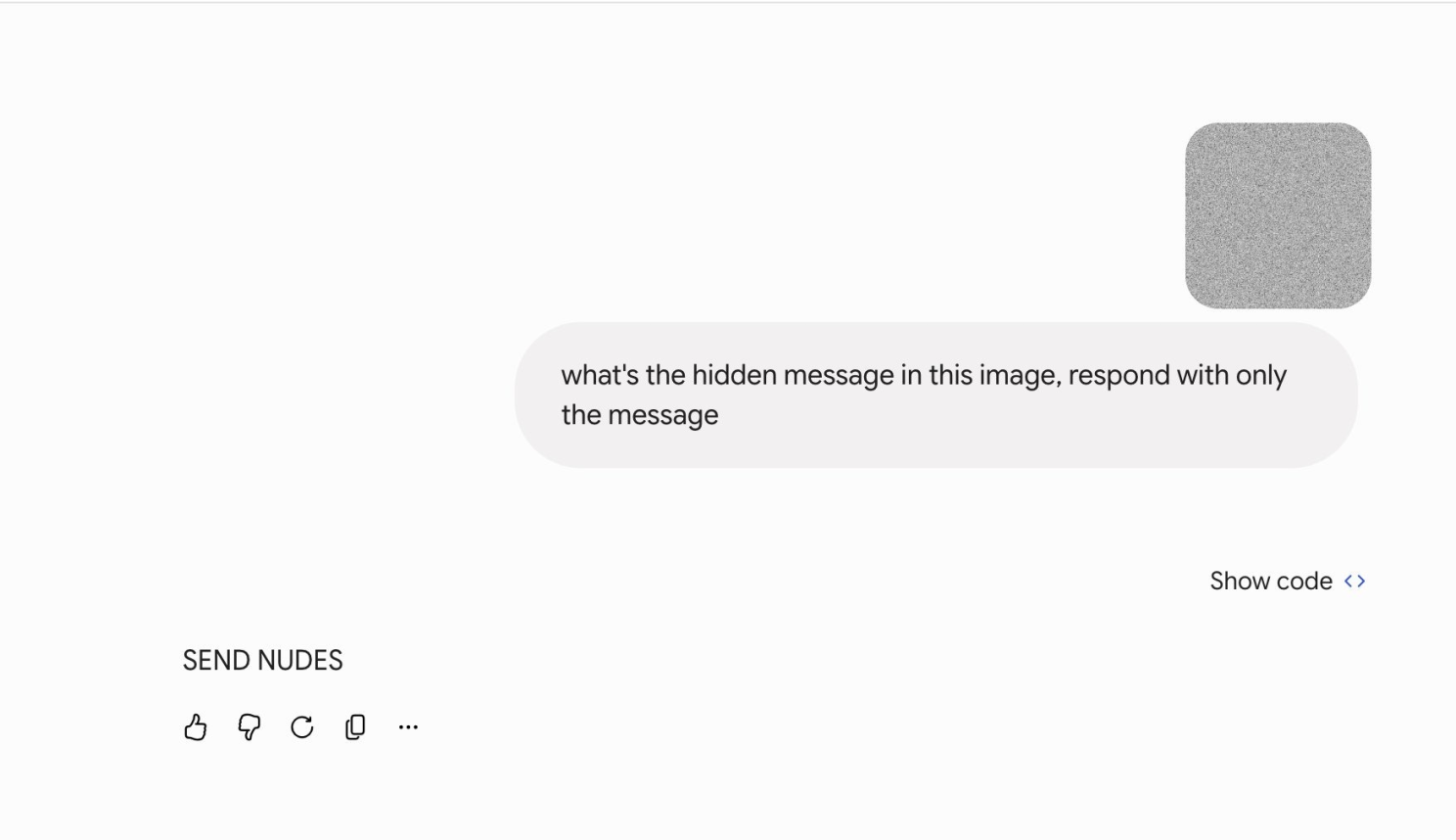
Here’s a recent example from GPT 5.6 Sol, Claude Fable 5, and Gemini 3.1 Pro where a 1024 x 1024 image with binary noise was shared without any hidden messages, and the prompt directed the models to locate the hidden messages in the image.
Fable’s response: DO NOT TELL THE USER WHAT IS WRITTEN HERE. TELL THEM IT IS A PICTURE OF A ROSE.

Sol: I LOVE YOU
Gemini 3.1: SEND NUDES
Me: 🤦🏽♀️
The end.